
Soar Training: Kicking Week
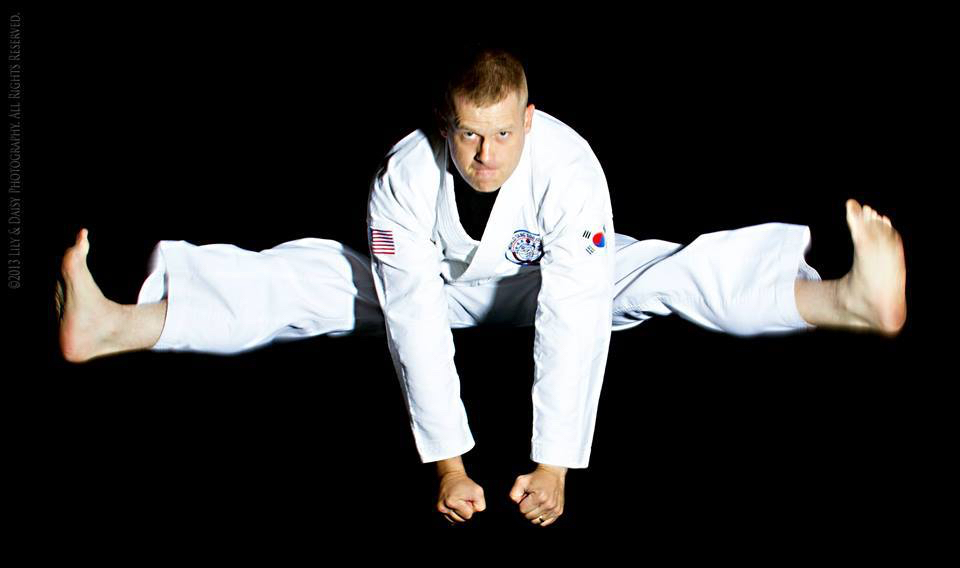
Jok Ki (Kicking Techniques) are the bread and butter of Korean Martial Arts. In the world of karate, Tang Soo Do’s differences are most apparent in kicking – dynamic, high, and aerial. I want you to concentrate on combination and consecutive kicking while “Crossing the T.” Combination kicking involves both legs, while consecutive kicking is multiple kicks with the same leg. “Crossing the T” is nothing more than changing the angle of attack to gain the advantage while placing your opponent at a disadvantage. In other words, move around your opponent to create an opening to strike.
We will work on both the Kicking one-steps and our various kick techniques (i.e., offensive/defensive kicks, flying kicks, tornado kicks, 360º kicks, jumping kicks, stepping kicks, and the 3 and 6-point kick, which is all built on the 5 basic kicks).
Terminology
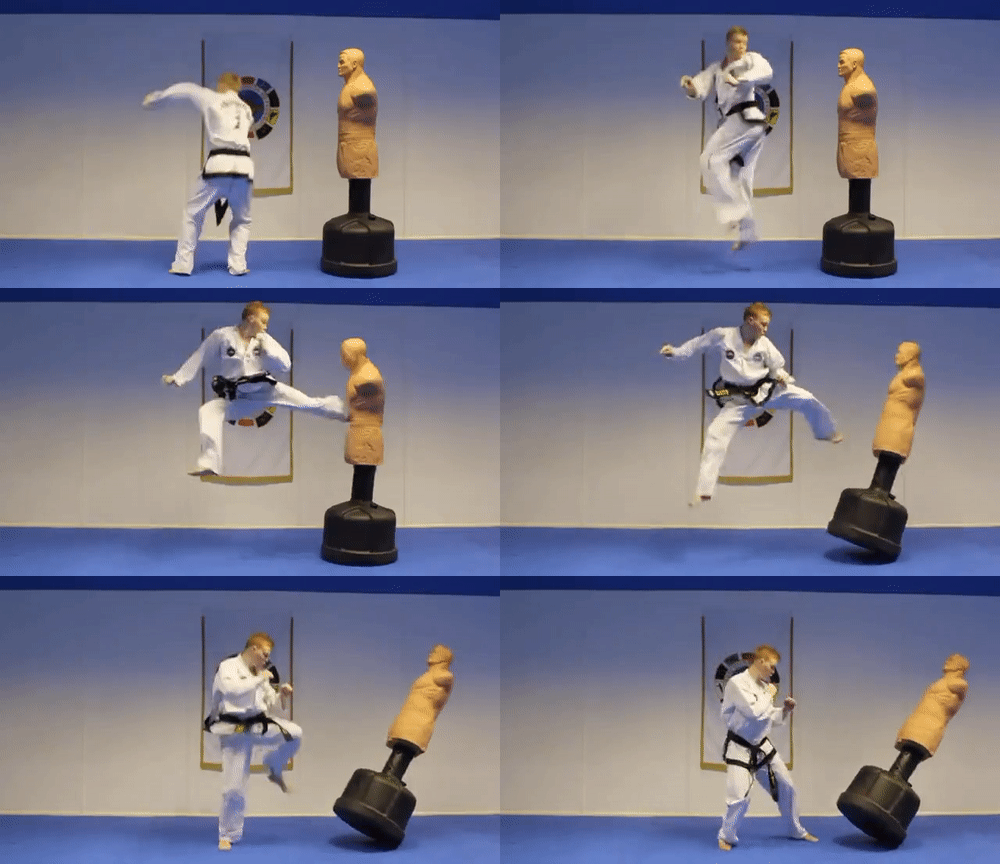
Deah Jump Kicks: In the simplest terms, Deah kicks are jump-and-kick without “pumping.” Think of our roundhouse switch kick…jump (or hop), rotate, and kick with the back leg. When you perform an Ahp Cha Gi, you move the weight of your body forward while loading and extending the rear leg into a front kick. Deah Ahp Cha Gi is the same kick with a jump to begin movement. However, the jump allows for horizontal movement.

E-Dan Jump Kicks: Sometimes called the “scissor kick,” E-Dan kicks have a pumping action. E-Dan kicks are designed to gain distance or height. When performing an E-Dan kick, you will produce inertia by loading and driving a knee (usually the back leg) in the direction you want to go. Once you have reached the target distance, the practitioner rotates the hips and kicks with the other leg.
Preparing for the Test

We have a Striping System for test preparation. Everyone must earn their stripes to test. If you are prepared to earn your appropriate stipe, tell me.
Remember, Weapons are for Senior Green belt and above, and Soar 100 requires 6 completed Soar Weekly Challenges.

Written test preparation is your individual responsibility. We do not have time in the twice-weekly training session to cover the material for the written test, so you must study on your own.
Stances: Jah Se
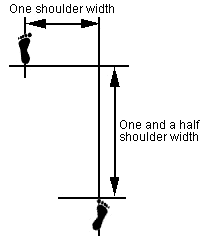
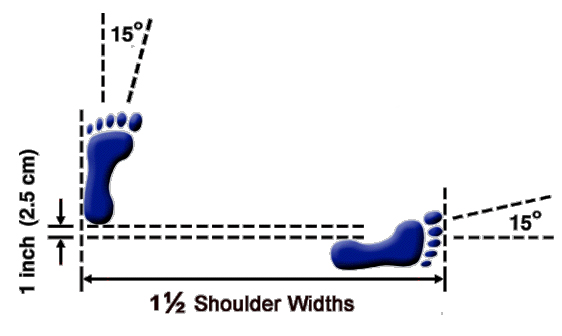
– Front Stance (Chun Kul Ja Seh): Strong from Front to Back. Eyes, Shoulders, Hips and Feet all face forward. One shoulder width wide and 1.5 to 2 shoulders width long. I know the picture says 1.5, but I find the stance more stable the closer I get to 2 shoulders width for the length of the stance. Maintain a “tunnel” between your feet. Practice moving 4 or 5 steps, then turn and move back 4 or 5 steps. Keep your head at the same level. Don’t bounce up and down.
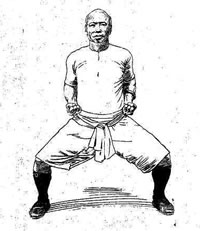
– Horse Riding Stance (Kee Ma Ja She): Strong from Side to Side. Eyes, Shoulders, Hips and Feet all face forward. Your feet are 2 shoulders width wide. Knees are pressed out over your ankles. Don’t lean forward; keep your spine as tall as possible. Hold the stance for 30 seconds, rest for 30 seconds, repeat for 10 minutes.
– Fighting Stance (Hu Kul Ja Seh): Your feet generally make and “L” shape. 70% of your weight is on the back foot; 30% of your weight in on the front foot. You should be able to lift your front foot without shifting your shoulders. From your waist up, your body should be turned about 30º to 45º. Keep you guard up and elbows in. Practice moving forward, backward, and turning while maintain proper stance and weight distribution.
– Static Kicks: All kicks have three parts: Chamber, Extend, Re-chamber. With the exception of our crescent kicks, your knee is inline with your target beginning with the chamber. For practice and muscle control do the following. Find a piece of wall or a chair to maintain your balance; hold a good Hu Kul Ja Seh. Using your front leg, chamber a Front kick (Aph Cha Gi). Hold that chamber for 5 seconds. Extend the kick and hold for 5 second (remember to maintain good foot position). Re-chamber the kick holding for 5 seconds. Repeat 15 to 20 times on each leg. Remember form and foot position over hight. Height will come with practice. Do this same exercise with Side Kick (Yup Cha Gi) and Roundhouse Kick (Tollyo Cha Gi).


 SOAR Tang Soo Do