
Meditation of the Week: Attitude 6
Regularly Spaced Practice Sessions
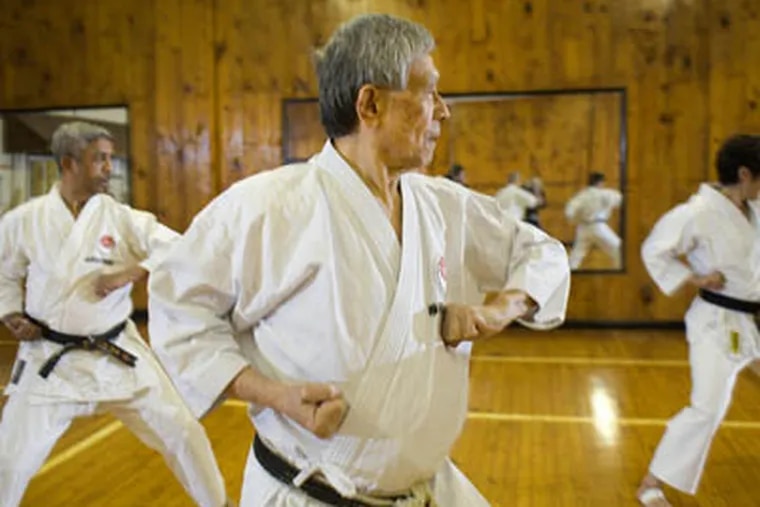
Not only do we need to practice regularly (attitude 4), but we must also space out the practice sessions (attitude 6). This does not mean you should not or can not practice daily. It simply means you need to practice different things on successive days. For example, your body will begin to break down if you run daily. When you run, a great deal of stress is placed on your joints and body, so you need time to recover and heal from a workout. The same principle is true in Tang Soo Do. Your workout and concentration need to vary from day to day. Still, consistency, intentionality, and programming are essential.
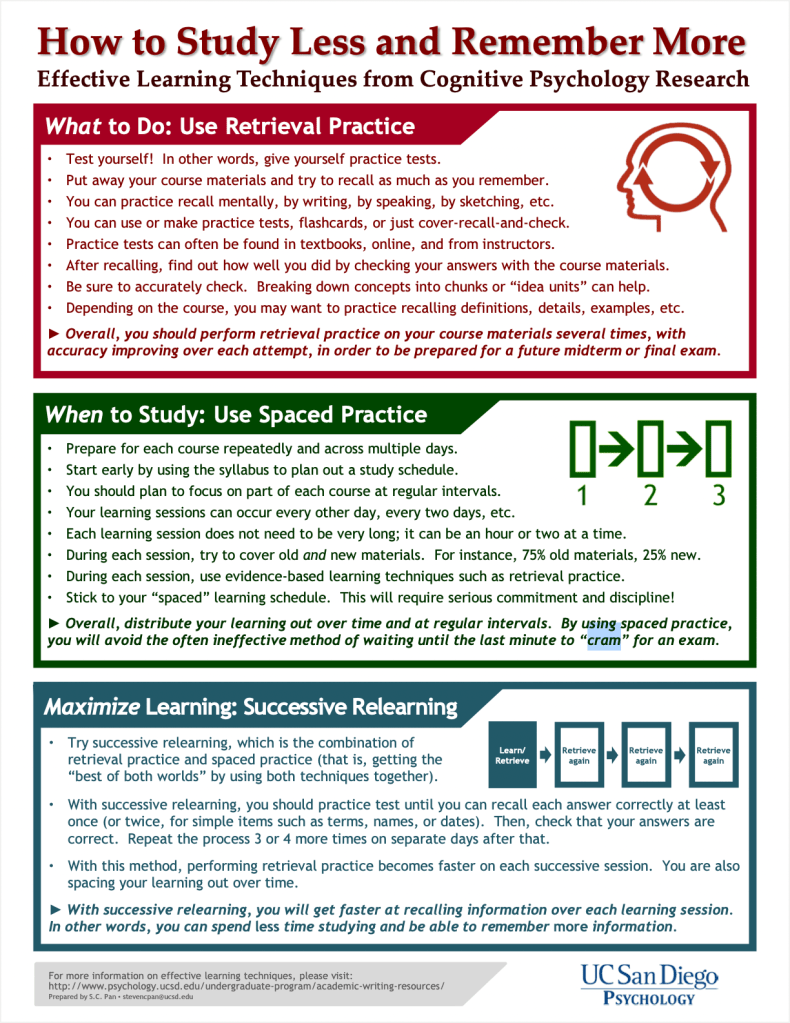
The University of California San Diego published a very helpful document applying this principle to academic studies. Spaced-out practice sessions remove the need for “cramming.” We all know that cramming before an exam is not conducive to long-term learning. We call it a “brain dump” for a reason. If your goal is to retain learned information, a spaced-out study plan must include periodic reviews of old material to teach your brain to recall it more easily.
When thinking of spiritual disciplines, this attitudinal principle also applies. There are some practices we should do daily: prayer, Bible reading, and worship. However, to avoid formulaic monotony, let the topic or focus of your spiritual practice vary each day. Perhaps you pray for your family on Mondays, and on Tuesdays, you pray for those who have authority over you. You can pray for local, state, and federally elected persons on Wednesday. Your Bible reading could be a chronological progression through the Bible in one year, or you may want to read a chapter of Proverbs and a Psalm every day until complete. Blessed is the one whose “delight is in the law of the Lord, and on his law he meditates day and night” (Psalm 1:2).
Helpful Tools


 SOAR Tang Soo Do